

















You clear the table, your phone buzzes for the third time, and yet one sentence from this afternoon's conversation is still stuck in you. Maybe you were too harsh. Maybe you stayed quiet even though you wanted to say something. This is exactly where self-reflection begins: not as strict self-control, but as a loving moment in which you listen to yourself again.
It won't give you a perfect plan or an answer to every open question. But it creates space between stimulus and response. In that space you can recognise what you really feel, what you need and which story you are telling yourself about yourself right now.
What self-reflection really means
Self-reflection means consciously noticing your inner world and looking at it honestly. Thoughts, feelings, patterns, wishes and boundaries are allowed to become visible without you having to solve them, judge them or meditate them away straight away. It is not about constantly working on yourself. It is about staying connected to yourself.
That is a subtle but crucial difference. Brooding often asks: “What is wrong with me?” Self-reflection asks: “What is this situation trying to show me?” Brooding goes round in circles and leaves you exhausted. Reflection, as long as it stays gentle and concrete, brings you closer to clarity.
Sometimes that clarity shows up as a brave yes. Sometimes as a long overdue no. And sometimes simply as the honest knowledge: I am tired, hurt or overwhelmed right now. That is a valuable insight too, because feelings that are seen no longer have to fight so loudly for attention.
Why we lose ourselves so easily
Our everyday lives are full of impulses. Messages, appointments, expectations, comparisons and other people's needs all pull at our energy. If all we ever do is react, at some point we can hardly tell what is truly ours and what we have taken on from others.
People who feel a lot and give a lot know this especially well. You sense the mood in the room, want to create harmony and put your own needs last. On the outside everything looks calm, but inside the pressure builds. Self-reflection is then not a luxury but a form of emotional hygiene.
It also helps you recognise old patterns. Maybe you keep explaining yourself even though you have done nothing wrong. Maybe you look for reassurance before you make a decision. Maybe you hold on to a connection because letting go feels like failing. Seeing patterns does not mean judging yourself for them. It means having choices again.
Self-reflection needs a safe setting
Being honest with yourself rarely happens between two to-dos. It needs a small protected moment in which your whole being can sense: I don't have to achieve anything right now. I can simply be here.
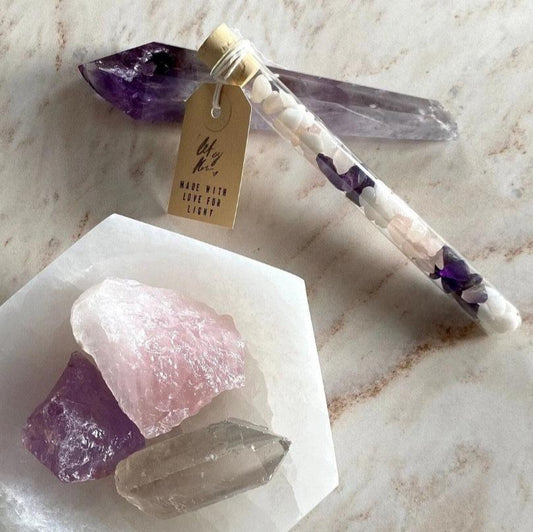
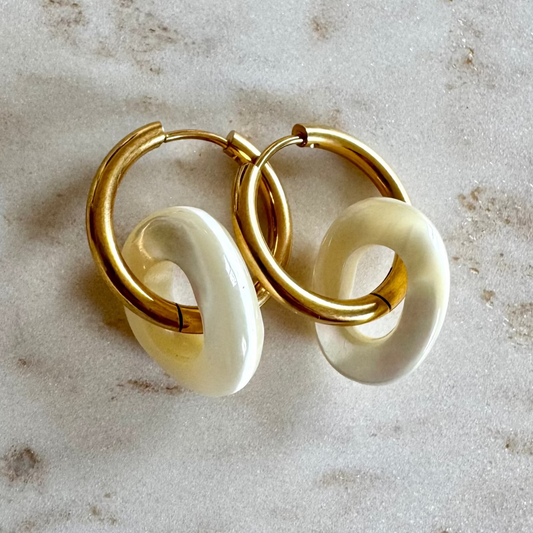
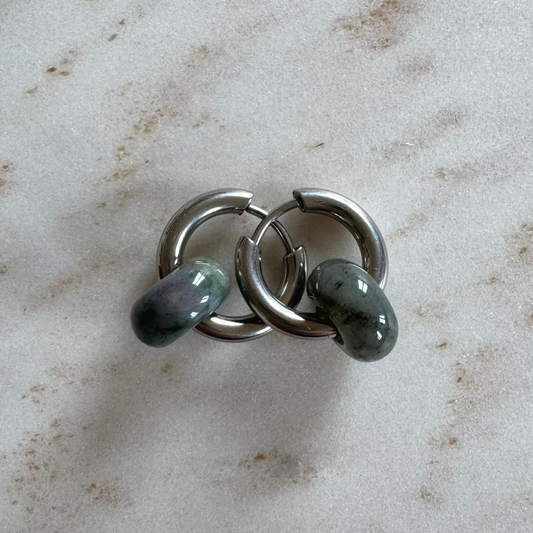
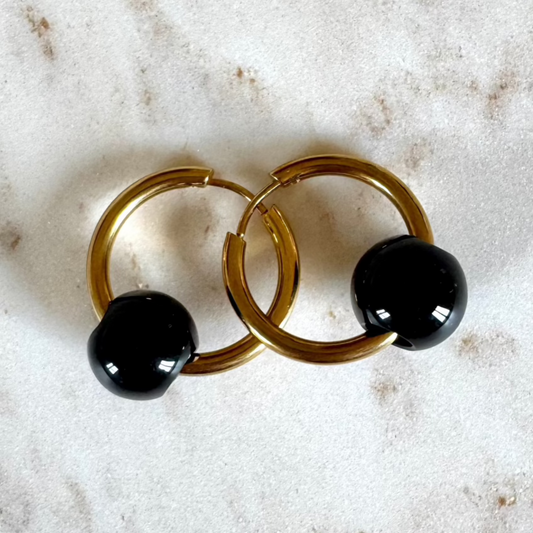
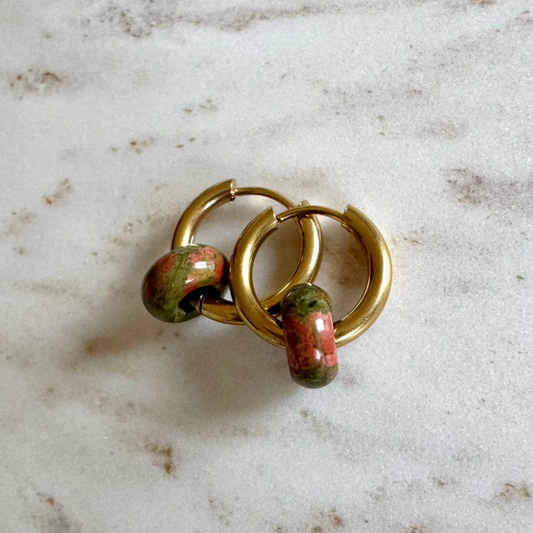
That might be a quiet morning with a cup of tea, five minutes at the open window or an evening ritual by candlelight. A beautiful object can be more than decoration here. A candle, a ritual oil, a crystal or a self-reflection card becomes an anchor for your intention: now I am coming back to myself. Not because something needs fixing, but because your attention is precious.
At LETGOFLOW, ritual is allowed to look exactly like this: aesthetic, intuitive and easy to fit into everyday life. You don't need a complicated ceremony. What matters is repetition. When you notice the same scent, light the same candle or choose the same spot for yourself, your body gradually understands: here I can let go. Here I can be honest.
Three questions that bring you back to yourself
You don't have to keep a long diary to go deeper. A few questions are often enough, as long as you don't just give them a quick, clever answer. Take a breath, place a hand on your heart and write or think without a filter.
What is really moving me right now?
Not: what should be on my mind? But: what is actually there? Maybe it is anger beneath your friendliness. Maybe sadness beneath your productivity. Maybe joy that you haven't quite allowed yourself yet. Name the feeling as precisely as you can. “Bad” might turn out to be disappointment, loneliness, envy, shame or exhaustion. Precision brings closeness.
What do I need that I haven't given myself so far?
This question can be surprisingly tender. Maybe you need rest rather than even more motivation. Maybe a clear conversation rather than withdrawal. Maybe you don't need to become stronger, but to believe yourself. Needs are not a weakness. They are pointers to your boundaries, values and longings.
Which small action feels right today?
Self-reflection becomes powerful when it leads to an action. Not always a big change. Maybe you cancel an appointment, go to bed earlier, write a message or consciously leave it unwritten. An action that feels right is not proof that you have everything under control. It is a sign that you trust yourself.
When the answer gets uncomfortable
Not every insight feels like light and ease. Self-reflection can show you that you are making yourself smaller in a situation than you are. It can reveal that an old wound is colouring your present. Or that you want to change something, even though other people won't understand it.
This is where compassion is needed. You don't have to act on every insight straight away. Some things are allowed to land in you first. It is completely fine if you still need time, if you look for support or if a question stays open.
Also be careful not to use reflection as a way of punishing yourself. If you only ever look for your own mistakes after every conflict, you may be taking on responsibility that does not lie with you alone. Honest self-reflection therefore always asks in both directions: what was my part? And what does not belong to me? This distinction protects your energy.
A small ritual for clear moments
Choose a time that realistically fits your life. Maybe every Sunday evening, maybe after an intense day. Put your phone out of reach, light a candle and take ten minutes. First ask yourself: what can I honour today? Self-reflection doesn't always have to start with problems. Your courage, your patience and your small steps forward deserve attention too.
Afterwards you can write down what was hard, what you would like to let go of and what energy you want to take into the next day. One sentence is enough: “Today I choose clarity over fitting in.” Or: “I am allowed to be slow and still keep going.” If no words come, simply stay in the silence for a moment. Your inner voice doesn't always speak in full sentences.
How often and how deeply you want to reflect depends on the phase of life you are in. In turbulent times, two honest minutes a day can do more than a long monthly entry you write out of a sense of duty. In calmer phases, a longer ritual can help you realign your goals, relationships and wishes. Your rhythm is allowed to be your own.
You don't have to become a different version of yourself first in order to meet yourself with love. Pause for a moment, become still and ask yourself: what is true for me today? Perhaps this small, honest encounter is exactly the beginning of everything that is allowed to feel lighter.