















A ritual doesn't begin when you light a candle, draw a card or smudge your home. It begins the moment you choose what you allow into your space, onto your skin and into your energy. Being able to recognise ethical spiritual products gives your ritual a deeper quality: not perfect, not dogmatic, but conscious, loving and in tune with your values.
After all, beautiful packaging, a moon symbol or the words “natural” and “handmade” are not yet proof of responsibility. Spiritual products are allowed to look magical and feel special. At the same time, they can be transparent: about their origin, their materials, their ingredients and the respect they show to people, nature and cultural traditions.
What ethical really means in everyday spiritual life
Ethics isn't a single seal you can tick off in a hurry. With candles, ritual oils, crystal jewellery, incense or affirmation cards it comes from many small decisions along the way: Who made the product? What is it made of? How was it packaged? Are its benefits described honestly? And is a spiritual practice treated with appreciation, rather than simply being sold as a trend?
An ethical product doesn't necessarily have to come from right around the corner. Some raw materials simply don't grow in Europe, and some crafts have their roots in other regions. What matters is whether a shop communicates this reality openly and takes responsibility. Transparency is often worth more than a perfect promise.
“Natural” and “ethical” aren't automatically the same thing either. An essential oil can be plant based and still be produced under conditions you don't want to support. A simple product, on the other hand, can be made very mindfully, even if not every ingredient comes from a single country of origin. Your choice is allowed to be nuanced.
How to recognise ethical spiritual products: the key signs
Responsible brands don't hide behind big words. They give you concrete information so you can decide freely. This matters especially for products you light, burn as incense, put on your skin or wear every day.
Origin can be visible
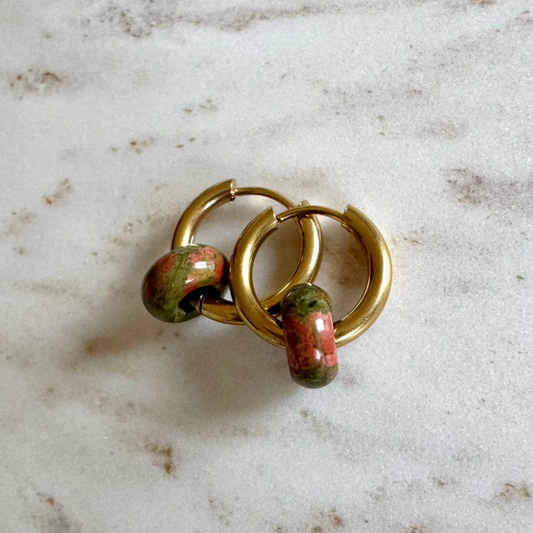
With crystals and gemstones, the supply chain is often complex. Not every brand can trace every single source all the way back to the mine. It becomes a problem when origin plays no role at all, when questions are brushed aside or when every piece is loaded with dramatic stories that have no facts behind them.
Look for clear information on sourcing, fair partnerships or processing. If a supplier openly names its limits instead of claiming absolute purity, that's a good sign. With natural materials in particular, honesty is part of a product's energy.
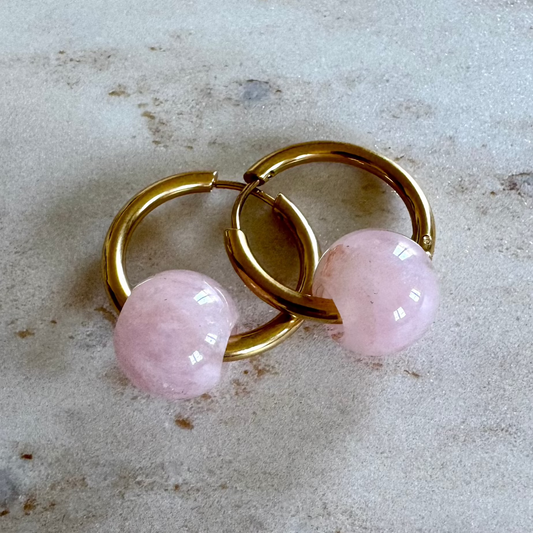
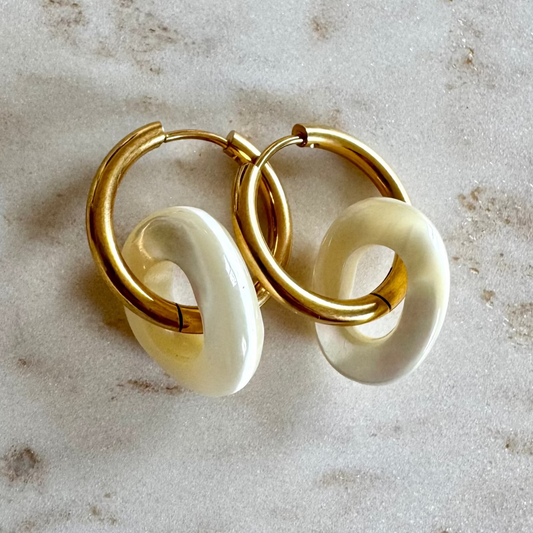
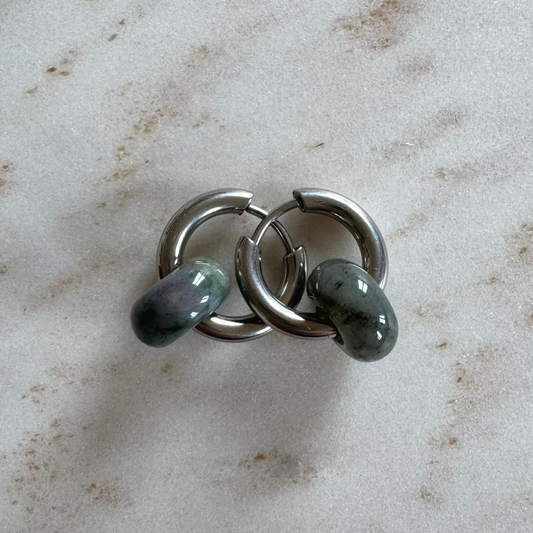
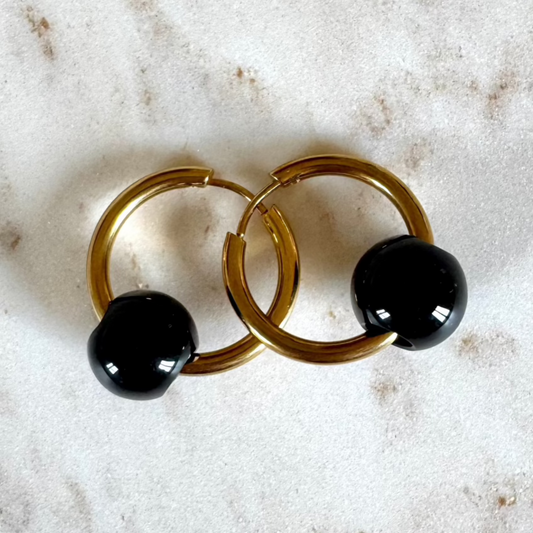
With jewellery, it's also worth taking a look at the metal, the plating and how durable a piece is. A well made piece that you love wearing for a long time is usually more sustainable than a quick impulse buy that loses its shine after a few weeks. Choosing ethically also means not treating meaningful things as a throwaway trend.
Craftsmanship shows in the details
Handmade is more than a label. It shows in careful recipes, individual nuances and a way of working that isn't designed for maximum speed. Small differences in colour, crystal shape or scent intensity can be part of handmade products. They don't make an object less valuable; they make it unique.
At the same time, “handmade” must not be an excuse for missing quality standards. A good product is cleanly finished, safe to use and clearly described. For candles, that includes instructions for burning them safely, for example. For salts and oils, storage and use are relevant. Magic and care belong together.
Swiss handcraft can be a strong sign of short distances in the final production, small batches and high quality standards. Even so, it still makes sense to ask about the raw materials. A responsible brand doesn't see that question as criticism, but as part of a conscious relationship with its customers.
Cultural respect is not decoration
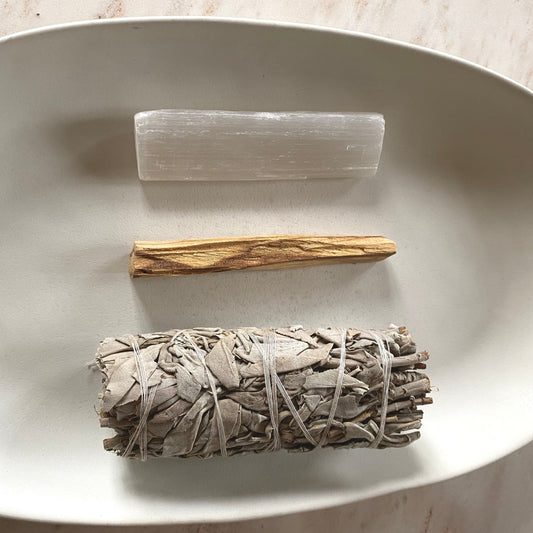
Many spiritual practices have deep cultural, religious or Indigenous roots. Incense is a good example. Not every smudging practice is automatically problematic, but terms, ceremonies and symbols shouldn't be thoughtlessly taken out of their context and sold as an exotic accessory.
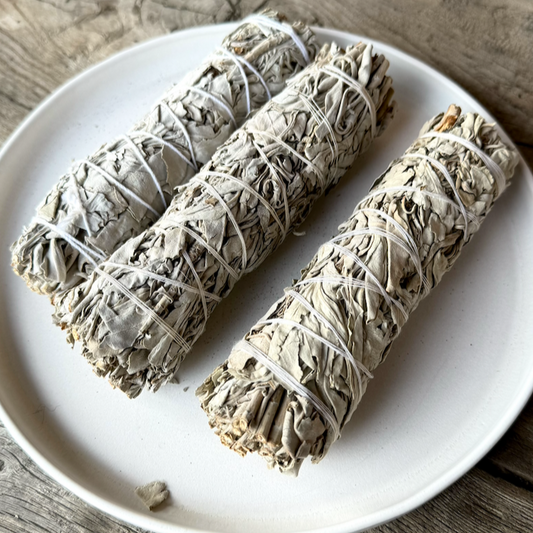
Pay attention to whether a product is named precisely. A herb bundle can be described as exactly that, without adorning itself with a tradition that isn't its own. A respectful approach honours origin, avoids stereotyped images and doesn't turn sacred practices into a mere sales fantasy.
That doesn't mean you have to banish every kind of incense from your ritual. You can choose consciously: regionally grown herbs, clearly labelled plants, reusable incense holders or gentle alternatives such as scented candles and room sprays. Your intention doesn't become weaker when it is carried by respect. It becomes clearer.
A small check before you buy
Before something lands in your basket, pause for a moment. Can you tell what it's made of and how to use it? Does the brand come across as open rather than overly perfect? Does the product suit your values and your ritual, or are you just buying a beautiful idea right now?
If you're comparing four or more products, a short note with these questions helps:
- Are the material, ingredients and use clearly described?
- Is there tangible information about craftsmanship, origin or packaging?
- Are spiritual traditions presented respectfully rather than sensationally?
- Does the brand make inspiring statements, but no unrealistic promises of healing or success?
You don't need a flawless answer to every question. Sometimes a product isn't entirely regional, but it is long lasting and transparently made. Sometimes the packaging isn't plastic free yet, but it is refillable or deliberately reduced. Ethical shopping isn't a test you have to pass. It's an attitude that can grow with every decision.
Rituals that truly feel like you
In a spiritual lifestyle especially, less is often more. Choose one candle whose scent and story touch you rather than collecting five products that sit unused in a cupboard. Wear a crystal as a reminder of your intention, not as a solution for every feeling. Use affirmation cards as a loving prompt, not as a rulebook for your life.
At LETGOFLOW, this combination of beauty, ritual use and conscious choice is at the heart of everything: High Vibe Goods are allowed to bring joy, make your space more beautiful and accompany your practice. Their deepest meaning, however, doesn't come from a promise on the label, but from the moment you give to yourself.
Perhaps this is the most beautiful question to ask before your next purchase: Does this product only feel good, or does it also feel good to choose it? When both come together, a beautiful object becomes a ritual companion, made with love for light.