
















The altar has become tidier. Fewer impulse buys, more conscious choices. This is exactly where spiritual wellness trends are heading right now: away from purely decorative spirituality and towards rituals that feel grounded, beautiful and truly supportive.
People who live spiritually rarely look for just a product today. They are looking for a feeling: clarity in the morning, protection after a draining conversation, a sense of the heart opening again after a heavy phase, or a small fresh start at the new moon. Spirituality is not becoming bigger and louder, but often finer, more personal and easier to live day to day. This changes which rituals we choose, which tools we reorder and what we actually consider valuable.
Spiritual wellness trends are becoming more personal
For a long time, much of the spiritual lifestyle was strongly shaped by symbols. A crystal here, a smudge bundle there, a beautifully worded mantra on social media. That hasn't disappeared, but the focus is shifting. Today, people want to know more about why a ritual works for them and how it fits into their real everyday life.
This is a good trend. Because not every practice suits every stage of life. If you have little time, an elaborate evening ceremony may not make you happy. If you are processing a lot emotionally, you need stability more than permanent "high vibes". That is exactly why small, repeatable rituals are becoming more important than big, perfect moments. A candle with a clear intention, a ritual oil before journaling, a card deck for the focus of the day: often it is precisely these quiet companions that stay.
More personal also means less dogma. Many spiritually curious people no longer want to squeeze themselves into rigid rules. They choose more intuitively, combine tradition with a modern understanding of self-care and allow themselves to live spirituality gently rather than strictly.
Aesthetics are no longer an extra
One of the most visible spiritual wellness trends is the connection between ritual and design. This is sometimes dismissed as superficial, but that falls short. When an object is visible, beautiful and well made, it has a greater chance of actually being used.
A ritual tool that is allowed to be present in everyday life doesn't disappear into a drawer. An elegantly designed affirmation card on the bedside table or a hand-poured candle in the living room becomes part of the atmosphere. This way, ritual arises not only from the action, but also from the surroundings.
Of course, there is a limit here. Aesthetics alone do not carry transformation. A beautiful object without emotional resonance remains decoration. But when design, materials and intention come together, something powerful emerges: spirituality that doesn't dress up, but fits naturally into life.
Self-care is becoming more spiritual again
For many people, wellness without soul now feels empty. That is why classic self-care routines are increasingly merging with spiritual elements. A bath becomes a letting-go ritual. Skincare is combined with affirmations. A scent blend is not only there for wellbeing, but consciously sets an energy for calm, focus or love.
There is a lot of potential here, but also a sensitive area of tension. Not every product needs to be loaded with a big promise. Sometimes it is enough if a ritual helps you become more present. The strongest experiences often come not from exaggeration, but from repetition.
This also explains why consumable products remain so relevant. Candles, oils, salts or cleansing products accompany processes over time. They invite you not just to formulate an intention once, but to embody it regularly. For a brand like LETGOFLOW, this is exactly what is exciting: rituals as a lived practice, not a one-off impulse.
Spiritual wellness trends and the longing for grounding
Alongside manifestation, vision boards and moon rituals, there is a growing need for grounding. Many people are tired of constant pressure to optimise, even in the spiritual space. They don't want to rewrite their whole life at every full moon. They want to feel safe, connected and settled.
That is why grounding practices are gaining importance. Protection rituals, cleansing routines for the home, calming scents, heavy stones, warm sources of light and simple moments of breathing speak to a very real need. Not higher, faster, brighter, but calmer, clearer, centred.
This is also a correction to a phase in which spirituality was often marketed in a very performance-driven way. More abundance, more magnetism, more glow. There is nothing wrong with that, as long as there is room for the other side: grief, tiredness, transitions, uncertainty. Spiritual wellness feels mature when it can hold both: expansion and retreat.
Ritual over perfection
Another shift is almost inconspicuous, but crucial. Many people are letting go of the idea that a ritual has to be particularly long, complex or "right". The new quality often lies in consistency. Three conscious minutes in the morning can do more for you than a rare ceremony that only takes place when everything is perfect.
This also changes buying behaviour. People are more likely to look for products that work intuitively, feel good and can be used regularly. It is not the most exotic tool that wins, but the one that actually gets picked up.
Energetic products are being chosen more consciously
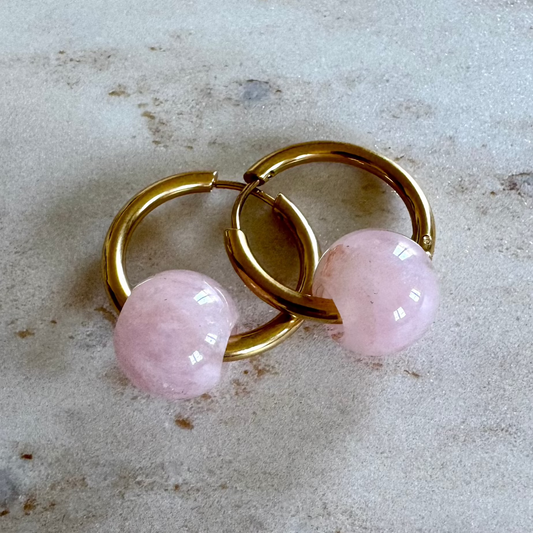
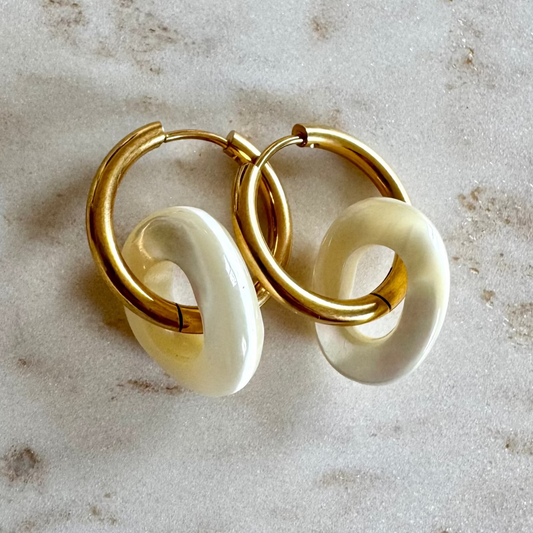
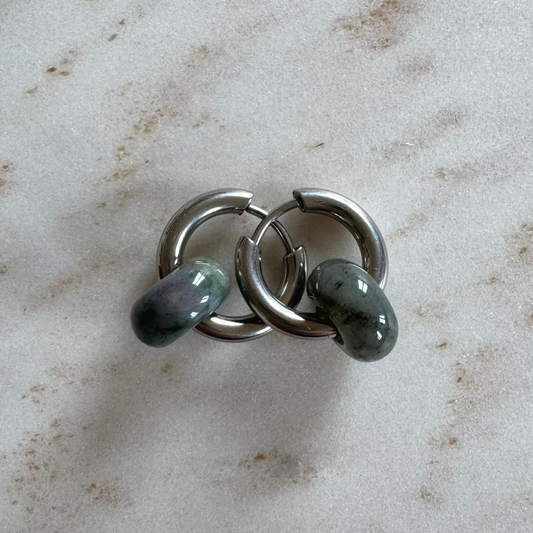
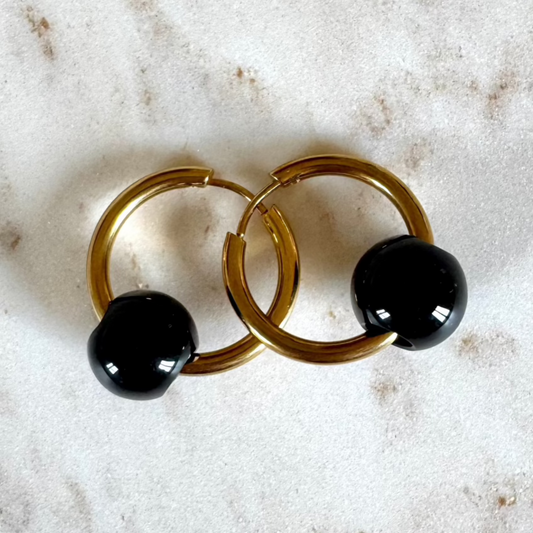
The choice of products itself is also becoming more nuanced. Origin, material, handcraft and ethical positioning count for more than they used to. When you work with an object, you want to know what story it carries. This applies to crystal jewellery just as much as to incense, oils or intentional gift sets.
Awareness has noticeably grown here. Spiritual shoppers are often very perceptive. They quickly notice whether a product feels arbitrary or whether there is real care behind it. Swiss-made craftsmanship, natural ingredients and clear, loving design are therefore not just nice extra information. They support trust and deepen the emotional bond with the ritual.
Community, but without spiritual harshness
Another of the important spiritual wellness trends is the way people share their spirituality with each other. Community remains relevant, but less in a lecturing form. Instead of fixed belief systems or spiritual superiority, many people want spaces that are open, affirming and close to everyday life.
This changes both language and expectations. The new spiritual customer wants to be inspired, but not made to feel small. She looks for products and messages that strengthen her without putting her under pressure. No "you're manifesting wrong", no artificial gatekeeping, no heaviness that only seems legitimate through complicated knowledge.
Modern ritual brands in particular have a real task here. They can make spirituality accessible without hollowing it out. They can combine beauty, usefulness and meaning without tipping into the arbitrary or the overly occult. This balance is demanding, and that is exactly why it is so valuable.
What stays and what is more likely to pass
Not every trend will stay. Very loud, highly performative spirituality is already losing its pull. Anything that only works for the feed but not in real life quickly feels hollow. Exaggerated promises are also viewed more critically, especially by people who want to live spirituality in a long-term and responsible way.
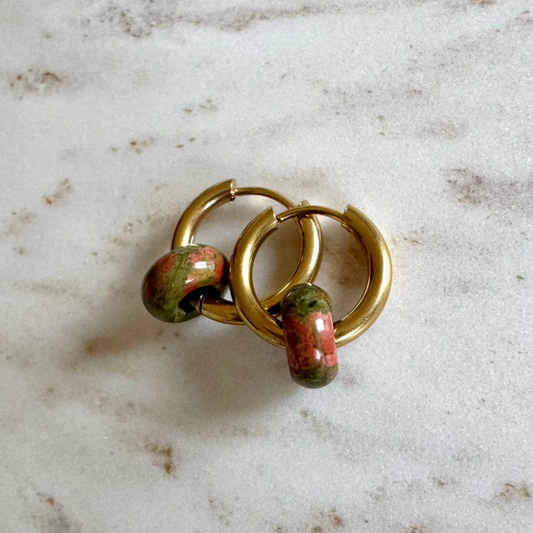
What will very likely stay is everything that connects ritual with real experience. Products that are beautiful and at the same time fulfil a clear function in everyday life. Gift ideas with meaning. Tools for morning and evening routines. Cleansing as a conscious reset. Jewellery with symbolic power that is not just worn but felt. Affirmations that don't sound like calendar slogans, but like inner permission.
The longing for connection also remains: with yourself, with your own home, with a calmer rhythm. Especially in turbulent times, spirituality is becoming not more spectacular for many people, but more intimate. Less show, more presence.
What really matters now
The most exciting spiritual wellness trends are not simply new products or new terms. They reveal an attitude. People want to choose more consciously, live more lovingly and shape their rituals so that they give strength rather than create pressure.
For brands in the spiritual lifestyle space, this means: quality over overload, intention over noise, beauty with soul. For customers it means: you don't have to do everything. You can choose what carries you, calms you, reminds you and brings you back into your own energy.
Perhaps that is the most beautiful development of all. Spiritual wellness is becoming more grown-up, softer and more truthful. Not because it is less magical, but because it is moving closer to what we really need: small sacred moments that connect us with light again in the middle of everyday life.