
















The new luxury isn't one more appointment in your calendar. It's the moment you light a candle, put your phone aside and come back to yourself. The trends in self-care rituals make one thing clear: it's less about perfect routines and more about small, recurring moments that honestly feel like you.
In 2026, self-care is becoming more personal, more sensory and more thoughtfully curated. Instead of rigid ten-step morning routines, many people are choosing individual ritual objects, words and gestures that suit their mood, the season or their stage of life. A ritual doesn't have to be big to carry meaning. It can be quiet, look beautiful and remind you of the energy you'd like to invite into your day.
Self-care ritual trends: less pressure, more intention
For a long time, self-care sounded like optimisation: get up earlier, meditate more, plan better. That approach is losing its shine. A ritual that feels like yet another task rarely gives you a sense of space. The current shift brings self-care back to its core: conscious time with yourself.
Instead of working through the same sequence every morning, you can ask yourself: what do I need today as a symbol for my direction? Perhaps it's a drop of ritual oil on your wrists, an affirmation card on your bedside table or the warm glow of a manifestation candle while you write down your thoughts. The meaning doesn't lie in perfection, but in repeating an intention that feels right to you.
This freedom is also a counterweight to being constantly available. When everything is meant to be fast, loud and instant, a consciously shaped moment becomes a small statement. You decide what gets into your space, your thoughts and your attention.
Ritual objects are becoming everyday anchors
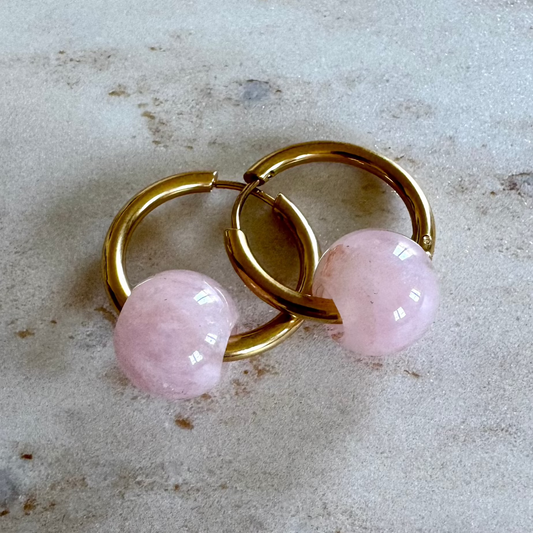
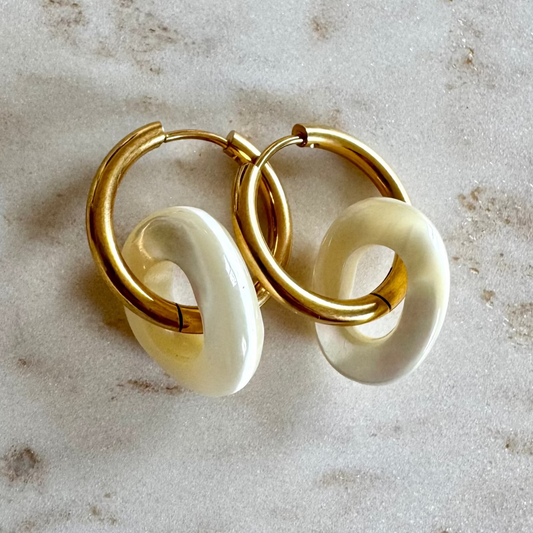
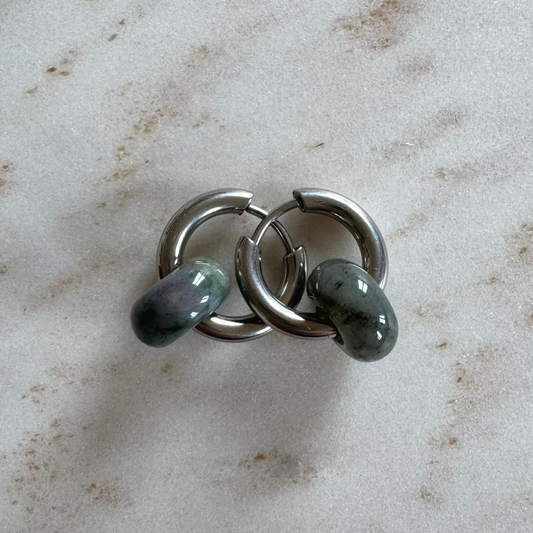
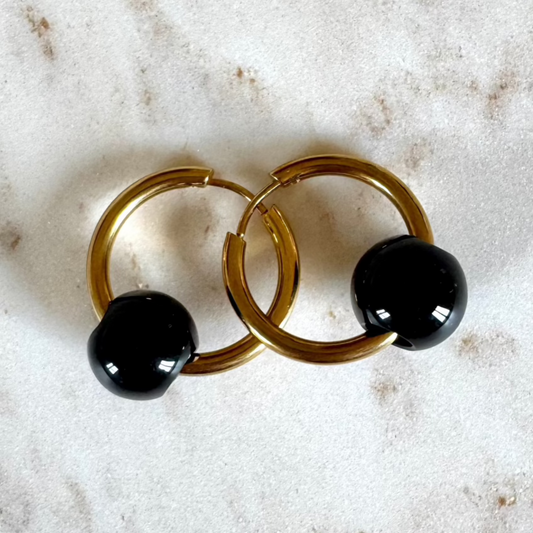
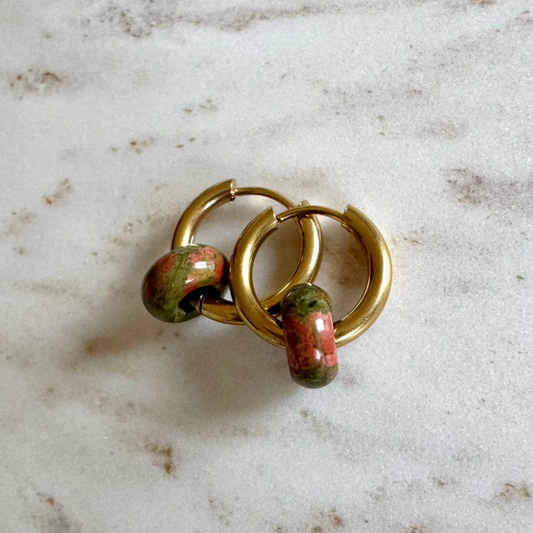
One especially visible trend: spiritual tools no longer disappear into drawers until the next new moon. They are becoming part of an aesthetic everyday life. A card with a clear message can stand by the mirror. Crystal jewellery completes an outfit not just as an accessory, but as a personal symbol. A candle becomes the sign that the working day can now come to an end.
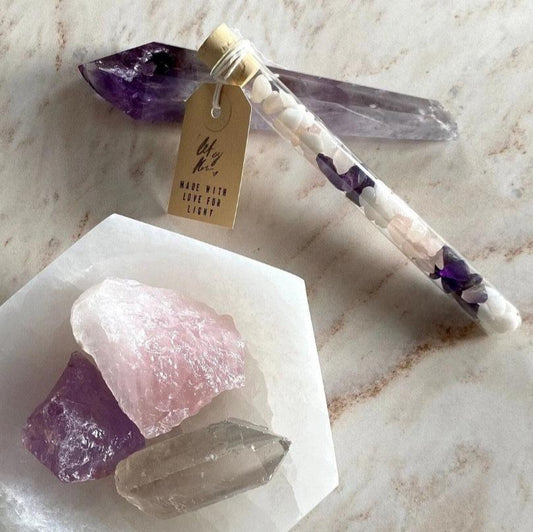
This isn't about loading objects with inflated expectations. Their meaning often lies in what they remind you of. Rose quartz traditionally stands for love and gentleness, amethyst for clarity and intuition, clear quartz for focus. Whether you invite this symbolism into your ritual is entirely up to you.
Looks matter more, too. Self-care can be on display on your bathroom shelf, bedside table or coffee table. Handmade candles, fine oils, beautiful bowls and crystals turn a habit into a moment you look forward to. That isn't superficial. When something is beautifully designed, we often reach for it more intuitively and find it easier to weave into our daily lives.
The new focus: rituals by mood, not by rules
Rigid categories like morning routine or evening routine are becoming more flexible. A ritual can feel energising in the morning, centring at midday or slowing down in the evening. What matters isn't the time of day, but the question you bring with you.
One day you might want to step bravely into a conversation with an affirmation. Another day you write three sentences in your journal and retreat with a scent that feels like being held. These mood-based rituals are especially easy to live with, because they don't depend on an ideal daily schedule.
A good place to start is a small ritual menu for yourself: choose one object for focus, one for self-love, one for letting go and one for new beginnings. That way you don't have to think for long when you need a moment for yourself. You can choose intuitively and direct your attention to where it belongs right now.
Sensory self-care is gaining importance
Self-care is increasingly something you can see, smell, touch and experience. Scent is a central part of modern rituals. A candle or a ritual oil can mark a clear boundary between different moments of the day. The scent doesn't have to be loud. Soft, warm or earthy notes in particular create an atmosphere that invites calm and conscious presence.
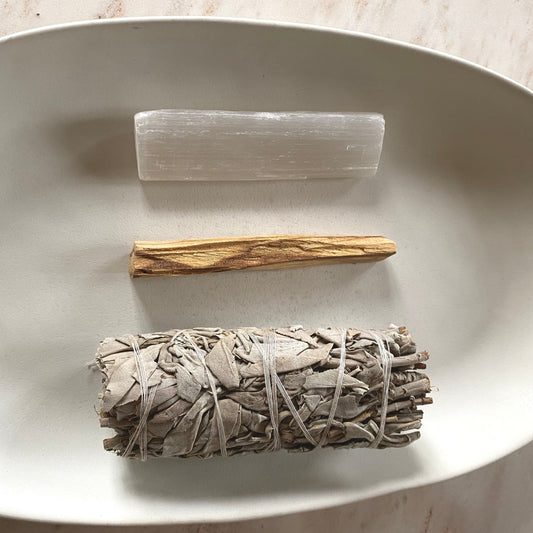
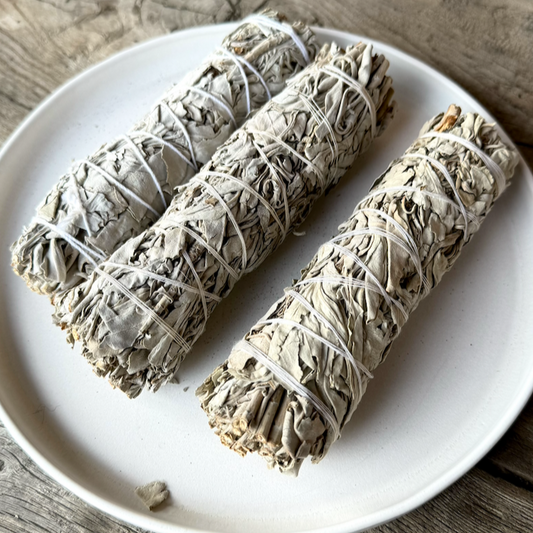
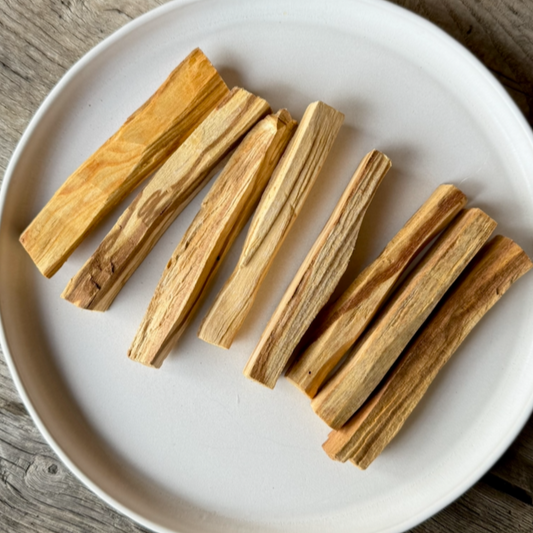
Incense, salts and small cleansing rituals are also enjoying a fresh, modern interpretation. In many traditions, smoke is used to symbolically clear spaces and mark a new beginning. Today that might mean opening a window before guests arrive, after an intense working day or at the start of a new month, airing the room consciously and inviting a new mood in.
A mindful approach matters: only burn incense in well-ventilated rooms, take care with open flames and choose forms that suit your home and your habits. A ritual should feel easy, not complicated.
Micro rituals fit into real days
Perhaps the most important trend is moving away from the idea that self-care has to take up a lot of time. Small rituals of one to five minutes fit even into busy weeks. They don't replace a proper break, but they help you place conscious little islands into your day.
Before you open your laptop, you can draw a card and take its message with you as your intention for the day. While applying an oil, you can repeat a sentence that gives you strength. In the evening, you can light a candle and ask yourself: what would I like to keep with me today, and what can go? Questions like these don't need a perfect answer. They simply give your inner world some room.
Precisely because micro rituals are so uncomplicated, they are more likely to become real companions. The best rhythm isn't the one you see online. It's the one you can still live on a chaotic Wednesday.
Analogue instead of endless input
Many people long for rituals that don't mean even more screen time. That's what makes tactile tools so appealing. Shuffling cards, holding a stone in your hand, filling a page or lighting a candle asks for a different kind of attention than scrolling. Your hands are involved, your gaze softens, the moment becomes tangible.
This analogue quality also makes ritual objects special gifts. They don't say: I know exactly what you need. They say: I'm giving you a moment just for you. A lovingly put together set of a candle, affirmation cards and a small piece of symbolic jewellery can be a wonderful invitation to discover your own rituals.
Choosing consciously is part of the ritual
Alongside aesthetics and symbolism, origin is becoming more important. People want to know what they are bringing into their personal space. Handmade products, natural materials, transparent production and reusable or refillable formats suit an understanding of self-care that isn't built on fast consumption.
That doesn't mean everything has to be minimalist. You're allowed to love things, collect them and arrange them beautifully. The question is more: does this object feel meaningful to me? Will I really use it? A carefully chosen ritual oil or a candle you regularly bring into your evening ritual can bring more joy than a large collection without any connection.
LETGOFLOW sees this blend of aesthetics, intention and everyday rituals as an invitation: High Vibe Goods shouldn't just look beautiful, they should accompany you in the moments that matter to you.
Your self-care ritual doesn't have to please anyone or match any trend exactly. Maybe today it begins with a deep breath, a burning candle and a sentence you truly believe about yourself. That's enough to turn an ordinary moment into something special.