
















A thought keeps pulling you in the same direction, yet your mind is still looking for proof. That is exactly where Intuition Flow Coaching for positive, transformative change begins: not with a perfect answer, but with the moment you sense what is true for you. Your intuition doesn't have to be loud. Often it shows up as a quiet yes in your body, a recurring wish or a gentle restlessness that reminds you: something is ready to move.
Positive change doesn't happen because you pressure yourself into becoming a completely different person. It grows when you listen to yourself again and align your actions with what feels clear, loving and right. Intuition Flow Coaching can offer a valuable framework for this, with space for inner awareness, honest questions and rituals that anchor your decision in everyday life.
What Intuition Flow Coaching really means
Intuition Flow Coaching combines intuitive self-awareness with conscious work on change. It isn't about making every decision purely from a spontaneous feeling. Rather, you learn to tell the subtle signals of your inner voice apart from fear, habit and other people's expectations.
The flow comes when you stop working against yourself. Perhaps you know the feeling: you want to change something, plan it carefully and still lose energy after just a few days. Often that isn't down to a lack of discipline. Maybe the goal simply wasn't connected deeply enough to your real needs. That is why intuitive work doesn't only ask: "What do I want to achieve?" It also asks: "How do I want to feel on the way there?"
That might mean exploring a new career direction, setting boundaries in relationships or giving your own body more rest. Sometimes transformative change is visible and big. Sometimes it means not reaching for your phone first thing in the morning, but taking two conscious minutes for yourself instead. Both count.
Why change can begin in the body
Our mind is brilliant at spotting risks. It remembers disappointments, calculates possible consequences and wants to protect us. That is valuable. But when the head leads every decision on its own, it can also mistake old protective patterns for the truth.
The body often reacts more directly. Deep, easy breathing, warm hands or a feeling of calm can be signs of agreement. Tightness in the chest, a heavy stomach or ongoing exhaustion can show that something needs attention. These sensations are no magical guarantee and no medical diagnosis. They are invitations to slow down and look more closely.
There is an important nuance here, too: not every strong feeling is intuition. After difficult experiences, fear can sound very convincing. If worries overwhelm you, old wounds are touched or you feel unstable for a long time, therapeutic or medical support can be the right, loving step. Intuitive practice and professional support don't rule each other out; they can complement each other meaningfully.
Intuition Flow Coaching for positive change in everyday life
Intuition becomes clearer when it isn't only consulted in exceptional moments. It wants to become part of your everyday life. Small rituals help you return from the mental merry-go-round to your own energy.
Create a moment without other voices
Before you look for advice, read messages or ask others what they would do in your place, give yourself a quiet moment. Light a candle, place a hand on your heart and breathe consciously. Ask yourself: "What do I already know when I don't have to prove anything to anyone?"
You don't have to hear an answer straight away. Perhaps an image appears, a word, a memory or simply a feeling of relief. Write it down without judging it immediately. This first voice is often softer than the arguments that follow later.
Give your intention a form
An intention becomes more powerful when it becomes visible. Instead of resolving to have "more self-confidence", you could phrase it as: "I allow myself to express my needs kindly." That is concrete, soft and clear at the same time.
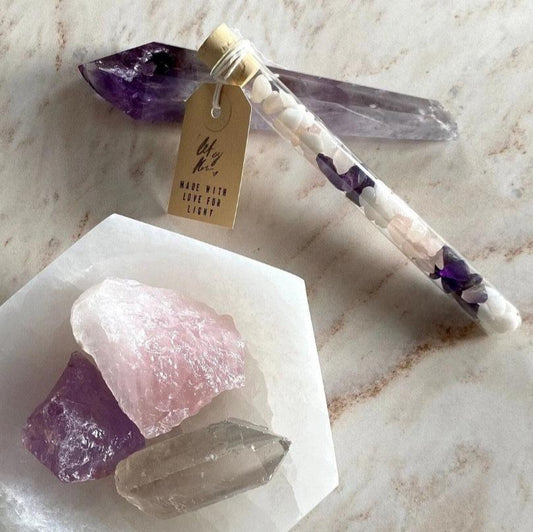
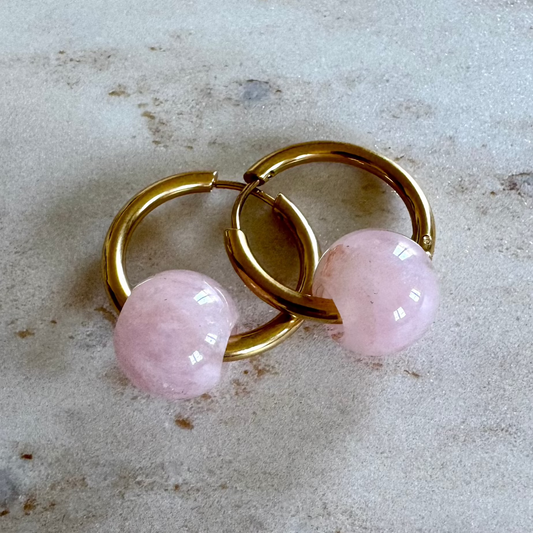
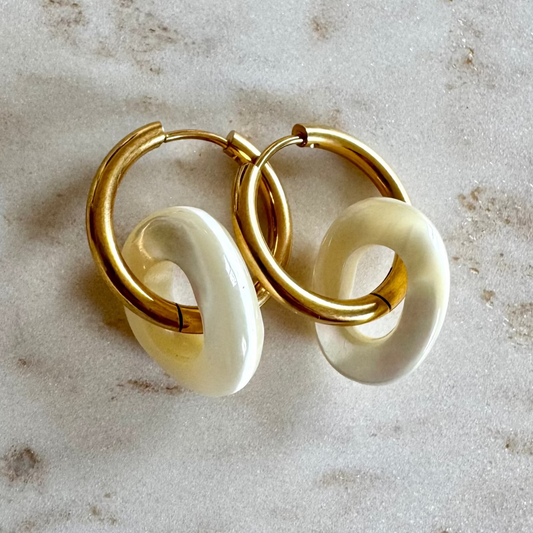
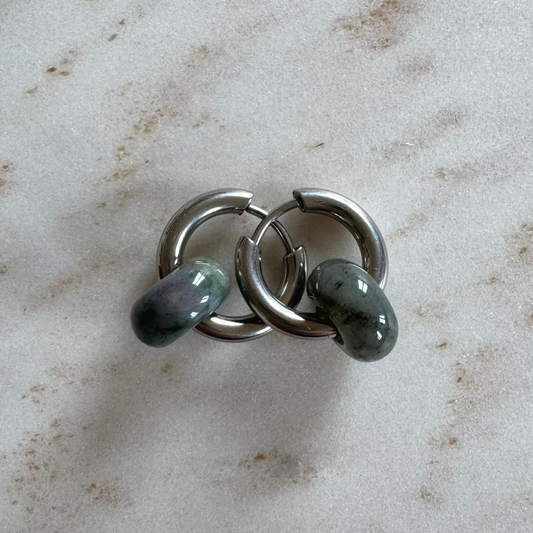
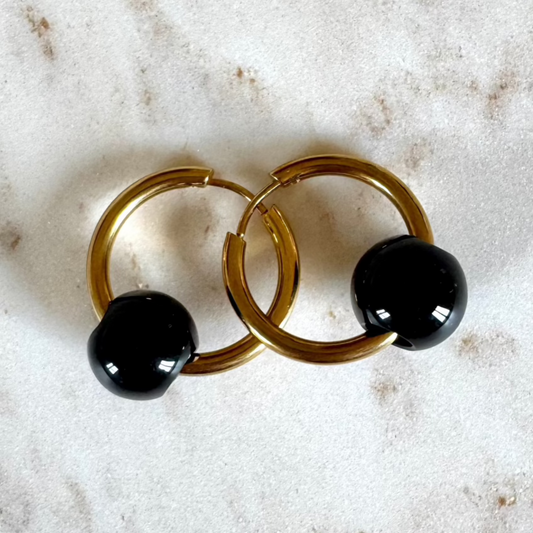
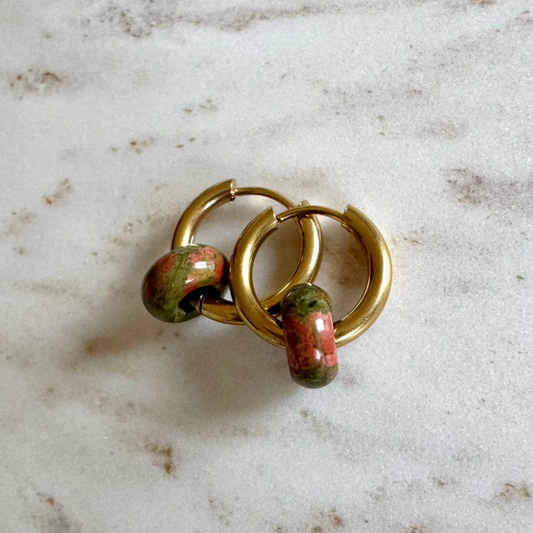
Affirmation cards, a ritual oil or a piece of jewellery with a chosen crystal can become loving reminders. Not because the object makes the decision for you, but because it brings the promise you have already made to yourself back into everyday life. A glance at your bracelet, a familiar scent in the morning or a card on your bedside table can be enough to come back to yourself.
Test the truth in small steps
You don't have to know everything before you set off. When an inner voice calls you towards change, choose a step that is brave but doesn't overwhelm you. Sign up for a conversation, rearrange a corner, consciously say no once or keep an evening just for yourself.
Afterwards, don't only look at the result. Observe your energy. Do you feel more alive despite the nerves? Is there more space? Or do you notice that the step came more from pressure than from connection? This is how intuition becomes a practice: you listen, act, notice how it feels and adjust.
Rituals that strengthen your inner voice
Rituals aren't rigid rules. They are conscious transitions. They signal to you: now I can leave the noise outside and feel myself again. Especially in phases of change, they give you something to hold on to without holding you back.
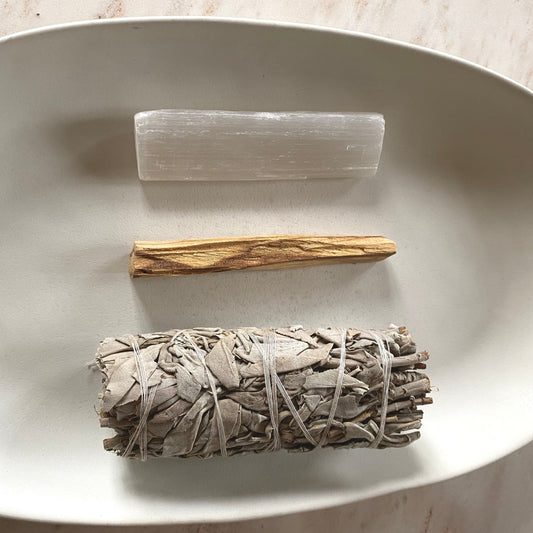
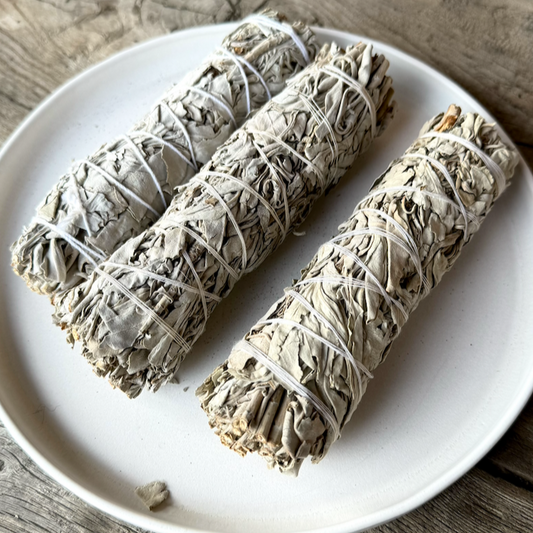
An evening ritual could, for example, begin with a gentle cleansing of your space. Open a window, consciously move the scent of incense through the room and let the day energetically drift away. Then note down three questions: what can I let go of? What do I want to nourish? Which small step feels true for tomorrow?
Candle rituals are especially beautiful when you don't do them on the side. Light your manifestation candle with a clear intention. Stay with the flame for a few breaths. Don't just imagine what you want to achieve, but how it feels when you trust yourself. This connection between image, feeling and repetition can deepen your focus.
At LETGOFLOW, moments like these can be aesthetic, sensual and entirely personal: made with love for light. Only choose what truly speaks to you. A ritual doesn't become stronger because it is elaborate, but because it is honest.
Three questions for when you're torn between head and heart
When you keep circling around a decision, these questions can bring clarity:
1. What would I choose if I weren't afraid of what others think?
2. Which option feels more peaceful in the long run, even if it takes courage in the short term?
3. What is the smallest next step I can take lovingly today?
Ideally, write your answers by hand. It slows the process down and often lets new nuances surface. If you hear two opposing answers within you, you don't have to push either of them away immediately. Perhaps one part of you needs security while another part is looking for freedom. Both deserve to be seen.
The shadow side of "just follow your intuition"
The phrase sounds liberating, but it can also create pressure. You haven't failed if your intuition isn't crystal clear for once. Especially with big decisions, such as moving house, separation, money, health or family, facts, time and conversations with people you trust are part of it.
Intuition doesn't replace responsibility. It helps you carry responsibility in a way that isn't directed against your inner self. The strongest change is rarely impulsive. It is conscious, embodied and willing to learn from experience.
Sometimes your intuition doesn't say "Go!" but "Wait a little longer." That isn't standing still. It can be a phase of gathering, in which you build strength, check information and reinforce your foundation. Trust doesn't mean opening every door straight away. Trust means not missing the right moment out of fear, and not forcing it out of impatience.
If you choose just one moment for yourself today, let it be this one: place your hand on your heart, breathe in deeply and ask yourself, without hurrying, what would feel lighter. Perhaps the answer isn't a big plan yet. Perhaps it is just a quiet, loving yes to yourself. That is enough to bring movement into your life.